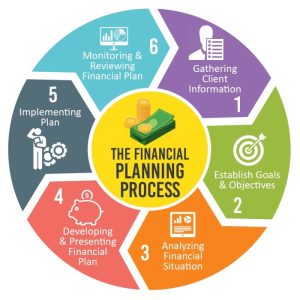
Navigating the financial landscape of college life can feel overwhelming, but with a proactive approach, students can build a strong financial foundation for the future. This guide offers practical strategies for budgeting, managing debt, saving and investing, and establishing good credit—all essential elements for a successful financial journey.
From understanding different types of student loans and exploring financial aid options to learning the basics of investing and building good credit, we’ll cover key aspects of personal finance tailored specifically for the unique challenges and opportunities facing college students. Mastering these skills early on empowers students to make informed financial decisions, setting them up for long-term financial well-being.
Building Good Credit

Establishing a strong credit history is crucial for your long-term financial well-being, even while you’re still in college. Good credit opens doors to better interest rates on loans, lower insurance premiums, and even better rental opportunities in the future. Starting early allows you to build a positive credit profile before you need it for significant financial decisions like buying a car or a house.Building good credit responsibly involves consistent and careful management of your financial accounts.
Ignoring this can lead to significant financial difficulties later in life, impacting your ability to secure favorable loan terms and potentially limiting your financial opportunities.
Steps to Build Credit Responsibly
Developing a positive credit history requires proactive steps and consistent responsible behavior. Failing to manage credit effectively can result in high interest rates, limited access to credit, and other financial disadvantages.
- Pay Bills on Time: This is the single most important factor in your credit score. Late payments, even one or two, can significantly damage your credit. Set up automatic payments or reminders to ensure timely payments for all your bills, including credit cards, student loans, and utilities.
- Use Credit Cards Wisely: Credit cards can be valuable tools for building credit, but only if used responsibly. Keep your credit utilization ratio (the amount of credit you use compared to your total available credit) low – ideally below 30%. Paying your balance in full each month is crucial to avoid interest charges and maintain a good credit score. Avoid opening too many credit cards at once, as this can negatively impact your score.
- Become an Authorized User: If a trusted family member or friend has a good credit history and is willing, ask to be added as an authorized user on their credit card. Their positive payment history can positively influence your credit score, especially if you’re just starting to build credit.
- Monitor Your Credit Report Regularly: Check your credit report from each of the three major credit bureaus (Equifax, Experian, and TransUnion) annually for free at AnnualCreditReport.com. This allows you to identify and address any errors or fraudulent activity that could negatively impact your score. Early detection and correction of inaccuracies are crucial for maintaining a healthy credit profile.
Consequences of Poor Credit
Poor credit can have significant and long-lasting negative consequences, affecting various aspects of your financial life. A low credit score can limit your opportunities and increase your financial burden.
- Higher Interest Rates: A low credit score will result in higher interest rates on loans, credit cards, and mortgages. This means you’ll pay significantly more over the life of the loan.
- Loan Application Denials: Lenders may deny your loan application if your credit score is too low. This can prevent you from buying a car, a house, or even securing a student loan.
- Higher Insurance Premiums: Insurance companies often use credit scores to determine premiums. A low credit score can lead to higher premiums for car insurance, renters insurance, and even health insurance in some cases.
- Rental Application Difficulties: Landlords may use credit reports to assess the risk of renting to you. A poor credit history can make it difficult to secure an apartment or other rental property.
- Employment Challenges: In some industries, employers may conduct credit checks as part of the hiring process. A poor credit score could negatively impact your job prospects.
Financial Aid and Scholarships
Navigating the complexities of college funding can feel overwhelming, but understanding the resources available and the application processes can significantly ease the burden. Securing financial aid and scholarships is crucial for many students to afford higher education, and proactive planning is key to maximizing your chances of receiving assistance. This section will Artikel key resources, necessary documentation, and the FAFSA completion process.Financial aid and scholarships represent a vital source of funding for college.
They can drastically reduce the overall cost of tuition, fees, and living expenses, making higher education attainable for a broader range of students. Understanding the various types of aid available and how to apply effectively is crucial for success.
Resources for Finding Financial Aid and Scholarships
Finding financial aid and scholarships requires a proactive approach. Numerous resources exist to help students locate and apply for funding opportunities. Exploring multiple avenues increases the likelihood of securing sufficient financial assistance.
- Federal Student Aid (FSA): The official U.S. government website (studentaid.gov) provides comprehensive information on federal grants, loans, and work-study programs. It’s the central hub for accessing the FAFSA form and understanding eligibility requirements.
- College Financial Aid Offices: Each college and university maintains a financial aid office that provides institution-specific information on scholarships, grants, and loans. Contacting these offices directly is essential to explore all available options.
- Scholarship Search Engines: Websites such as Fastweb, Scholarships.com, and Peterson’s offer searchable databases of scholarships based on various criteria, including major, GPA, and demographics.
- Professional Organizations and Associations: Many professional organizations offer scholarships to students pursuing careers in their respective fields. Research organizations relevant to your chosen major for potential funding opportunities.
- State and Local Governments: State and local governments often provide financial aid programs for residents attending in-state colleges and universities. Check your state’s education department website for details.
Documents and Information Needed for Financial Aid Applications
Applying for financial aid requires gathering specific documentation. Having these documents readily available streamlines the application process and prevents delays. Accuracy and completeness are critical to ensure your application is processed efficiently.
- Social Security Number (SSN): This is required for all federal financial aid applications.
- Federal Tax Returns (and W-2s): Tax information for both the student and their parents (if applicable) is needed to determine financial need.
- Driver’s License or State ID: Provides verification of identity.
- Bank Statements (if applicable): May be required to verify assets.
- High School Transcript: Demonstrates academic performance.
- College Acceptance Letter (if applicable): Confirms enrollment at a specific institution.
Completing the Free Application for Federal Student Aid (FAFSA)
The FAFSA is the primary application for federal student aid. Completing it accurately and on time is crucial for maximizing your chances of receiving aid. The process involves providing detailed personal and financial information.The FAFSA process typically involves creating an FSA ID, gathering the necessary documentation Artikeld above, and carefully completing the online form. The information provided is used to determine your eligibility for federal grants, loans, and work-study programs.
Submitting the FAFSA early is recommended to avoid processing delays. Many colleges and universities use the FAFSA information to determine eligibility for their own institutional aid. Students should be prepared to provide accurate and up-to-date information to avoid any complications or delays in the process. The FAFSA website offers detailed instructions and FAQs to assist applicants throughout the process.
Understanding Financial Terms and Concepts
Navigating the world of personal finance can feel overwhelming, especially as a college student. A solid understanding of key financial terms and concepts is crucial for making informed decisions about your money. This section will clarify some common terms and provide a glossary to help you build your financial literacy.
Financial Terms Explained
Understanding the nuances of financial language is the first step toward effective financial management. Let’s demystify some key terms.Financial advice refers to recommendations from professionals or resources on how to manage your money effectively. This can include guidance on budgeting, investing, saving, and debt management. For example, a financial advisor might suggest diversifying your investment portfolio to minimize risk or recommend a specific savings plan to reach a particular financial goal.Financial auditing is the independent examination of a company’s or individual’s financial records to ensure accuracy and compliance with accounting standards.
It involves verifying the reliability of financial statements and identifying any potential irregularities or fraud. While less directly relevant to a student’s daily finances, understanding the concept is important for evaluating the credibility of financial information you encounter.Financial goals represent your aspirations related to money. These could be short-term goals like saving for a new laptop or long-term goals like buying a house or retiring comfortably.
Clearly defined financial goals provide direction and motivation for your financial planning. For instance, a student might set a goal to save $1,000 for textbooks and tuition next semester.Financial planning involves creating a roadmap to achieve your financial goals. This includes budgeting, saving, investing, and managing debt strategically. Effective financial planning ensures you’re making conscious choices about your money to achieve your desired outcomes.
A comprehensive financial plan for a student might include strategies for minimizing student loan debt, building an emergency fund, and saving for future education expenses.
Glossary of Common Financial Terms
The following glossary provides definitions of common financial terms relevant to college students.
| Term | Definition |
|---|---|
| Budget | A plan for how you will spend your money over a specific period. |
| Debt | Money owed to another person or institution, such as a loan or credit card balance. |
| Credit Score | A numerical representation of your creditworthiness, based on your credit history. A higher score generally means better access to credit and lower interest rates. |
| Interest | The cost of borrowing money; it’s the extra amount you pay back on top of the principal amount. |
| Interest Rate | The percentage charged on borrowed money. A higher interest rate means you pay more in interest. |
| Savings | Money set aside for future use. |
| Investing | Putting money into assets (like stocks or bonds) with the expectation of earning a return. |
| Net Worth | The difference between your assets (what you own) and your liabilities (what you owe). |
| Financial Aid | Money provided by the government or educational institutions to help students pay for college. |
| Scholarship | Financial aid awarded based on merit or need. |
| Grants | Financial aid that does not need to be repaid. |
| Loans | Money borrowed that must be repaid with interest. |
| APR (Annual Percentage Rate) | The annual cost of borrowing money, expressed as a percentage. This includes interest and other fees. |
| Compound Interest | Interest earned on both the principal amount and accumulated interest. |
Seeking Professional Financial Advice
Navigating the complexities of personal finance, especially during the crucial years of college and beyond, can be daunting. While the information presented thus far provides a strong foundation, seeking professional guidance can significantly enhance your financial well-being and help you make informed decisions that align with your long-term goals. A financial advisor can offer personalized strategies and support, providing valuable insights you might miss on your own.Many young adults hesitate to seek professional financial advice, believing it to be inaccessible or unnecessary.
However, early financial planning can yield substantial benefits, setting you on a path towards financial security and independence. The cost of professional advice is often outweighed by the long-term advantages of avoiding costly mistakes and making strategic investments.
Resources for Finding Reputable Financial Advisors
Finding a trustworthy financial advisor requires careful research. Begin by checking the advisor’s credentials and affiliations. Look for advisors who hold relevant certifications, such as a Certified Financial Planner (CFP) designation, which demonstrates a commitment to professional standards and ongoing education. Many professional organizations, such as the Financial Planning Association (FPA) and the National Association of Personal Financial Advisors (NAPFA), maintain directories of their members, allowing you to search for advisors in your area.
Online platforms and review sites can also provide valuable insights into the experiences of other clients, though always critically evaluate the information presented. Additionally, consider asking trusted individuals – family members, professors, or mentors – for recommendations.
Benefits of Seeking Professional Financial Advice
The advantages of working with a financial advisor extend beyond simple budgeting. A financial advisor can provide a comprehensive overview of your financial situation, helping you identify areas for improvement and develop a personalized plan to achieve your financial goals. This might include creating a budget, managing debt, planning for future education expenses (graduate school, professional development), or investing for retirement.
They can also offer valuable insights into risk management, helping you protect your assets and navigate unexpected financial challenges. Furthermore, a financial advisor can offer objective advice, free from the emotional biases that often cloud personal decision-making. They can help you stay disciplined and accountable, keeping you on track to reach your financial objectives.
Questions to Ask a Financial Advisor
Before committing to a financial advisor, it’s crucial to ask clarifying questions to ensure a good fit. Inquire about their experience working with college students or young adults, their fee structure (hourly rates, percentage of assets under management, or a combination thereof), and their investment philosophy. Understand their approach to risk management and how they tailor their strategies to individual client needs.
Ask about their professional certifications and affiliations, and request references from previous clients. Clarifying these points upfront ensures transparency and establishes a strong working relationship built on mutual understanding and trust.
Successfully managing your finances during college is a significant step towards achieving your long-term financial goals. By implementing the budgeting strategies, debt management techniques, and savings plans Artikeld in this guide, you’ll not only navigate the immediate financial demands of college but also lay a solid foundation for a secure and prosperous future. Remember that proactive financial planning is key, and seeking professional advice when needed can provide invaluable support.
Essential Questionnaire
What if I can’t afford my textbooks?
Explore options like renting textbooks, buying used copies, or utilizing the library’s resources. Many universities also offer programs to assist students with textbook costs.
How can I avoid credit card debt?
Use credit cards responsibly by only spending what you can afford to repay immediately. Track your spending diligently and pay your balance in full each month to avoid accumulating interest charges.
Where can I find part-time jobs on campus?
Check your university’s career services office or student employment website. Many departments and organizations on campus offer part-time positions for students.
What’s the difference between a Roth IRA and a traditional IRA?
A Roth IRA offers tax-free withdrawals in retirement, while contributions are made after tax. A traditional IRA allows for tax-deductible contributions, but withdrawals are taxed in retirement.