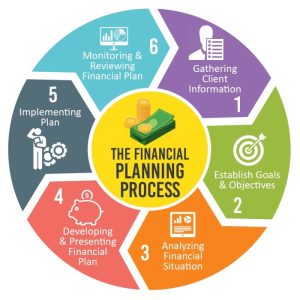
Harmonizing financial aspirations with deeply held personal values is crucial for long-term fulfillment. This guide explores a practical approach to integrating your ethical compass into your financial planning, ensuring your money works for a life truly reflective of your beliefs. We’ll delve into methods for identifying core values, aligning them with short-term and long-term financial goals, and navigating potential conflicts between immediate needs and long-term visions.
Through detailed examples and actionable strategies, we will demonstrate how to build a financial plan that not only secures your future but also aligns with your personal ethics and priorities. Whether you prioritize environmental sustainability, family well-being, or philanthropic endeavors, this guide provides the tools and insights to create a financial life that is both prosperous and personally meaningful.
Visualizing the Alignment
Understanding how personal values influence financial decisions requires a clear visualization of the interconnectedness between the two. This section provides illustrative examples demonstrating how aligning values with financial goals leads to a more fulfilling and purposeful financial life.
Environmental Sustainability Shaping Financial Choices
Consider Sarah, a young professional deeply committed to environmental sustainability. Her values directly influence her investment choices; she actively seeks out companies with strong Environmental, Social, and Governance (ESG) ratings, investing in renewable energy funds and businesses committed to sustainable practices. This isn’t simply about ethical investing; it’s a reflection of her core beliefs. Her spending habits also reflect this commitment.
She prioritizes purchasing sustainable products, even if they are slightly more expensive, opting for reusable items over disposable ones, and supporting local farmers markets to reduce her carbon footprint. This conscious consumption, while requiring careful budgeting, aligns perfectly with her long-term financial goal of securing a future in a healthy environment. Her financial plan, therefore, isn’t just about accumulating wealth; it’s about building a future consistent with her values.
Interconnectedness of Values, Goals, and Financial Planning
Imagine a three-circle Venn diagram. One circle represents “Personal Values,” encompassing aspects like family, community, environmental responsibility, personal growth, and financial security. The second circle is “Financial Goals,” which includes short-term goals like paying off debt or saving for a vacation, and long-term goals such as retirement planning or buying a home. The third circle is “Financial Planning,” encompassing budgeting, investing, saving, and debt management strategies.
The overlapping areas represent the synergy between these elements. Where all three circles intersect, we find the ideal alignment—financial plans directly supporting the achievement of goals that are rooted in personal values. For instance, the intersection of “Family,” “Retirement Savings,” and “Budgeting” shows how a robust budget, informed by a commitment to family security, facilitates achieving the financial goal of comfortable retirement.
Family and Community Commitment Reflected in Financial Planning
David and Maria, a couple deeply committed to their family and community, designed their financial plan to reflect these values. They prioritize saving for their children’s education, viewing it as an investment in their future and a contribution to the community’s intellectual capital. A significant portion of their income is allocated to this goal. Furthermore, they regularly donate to local charities, viewing this as a crucial element of their financial responsibility.
Their retirement planning also incorporates their commitment to family, ensuring sufficient funds to support not only themselves but also to potentially assist their children or aging parents. This holistic approach integrates their values directly into their financial strategy, demonstrating that financial planning can be a powerful tool for fulfilling personal and social commitments.
Ultimately, aligning your financial goals with your personal values creates a powerful synergy, fostering a sense of purpose and satisfaction that extends far beyond mere monetary gain. By thoughtfully integrating your ethics into your financial decisions, you build a future that reflects your deepest convictions, resulting in a richer, more fulfilling life. Regularly reviewing and adapting your plan ensures it continues to support your evolving values and circumstances, reinforcing a financial life truly aligned with your authentic self.
Essential FAQs
How do I identify my core personal values?
Consider what truly matters to you. Reflect on your past actions, decisions, and what brings you joy and fulfillment. Journaling, self-reflection exercises, and discussions with trusted individuals can help clarify your core values.
What if my values conflict with my financial goals?
Prioritize and compromise. Explore creative solutions that minimize the conflict. For instance, you might adjust your spending habits or seek investment options that align more closely with your values, even if the return is slightly lower.
How often should I review my financial plan?
At least annually, or more frequently if significant life changes occur (marriage, job change, etc.). Regular review allows for adjustments to ensure your plan remains aligned with your evolving values and circumstances.
What resources are available to help with value-based investing?
Numerous online resources, financial advisors specializing in sustainable or ethical investing, and socially responsible investment (SRI) funds can provide guidance and support.