Navigating the turbulent waters of a market downturn can be daunting, even for seasoned investors. Uncertainty reigns, and anxieties rise as portfolios fluctuate. This guide provides a clear, practical framework for understanding market downturns, protecting your investments, and adjusting your financial goals to weather the storm. We’ll explore strategies to mitigate risk, the importance of emergency funds, and the value of seeking professional financial advice.
From understanding the various factors that contribute to market downturns to developing resilient investment strategies, we aim to empower you with the knowledge and tools necessary to make informed decisions and maintain financial stability during periods of economic uncertainty. We’ll delve into long-term investment strategies, emotional management techniques, and the crucial role of comprehensive financial planning in navigating market volatility.
Protecting Your Investments During a Downturn
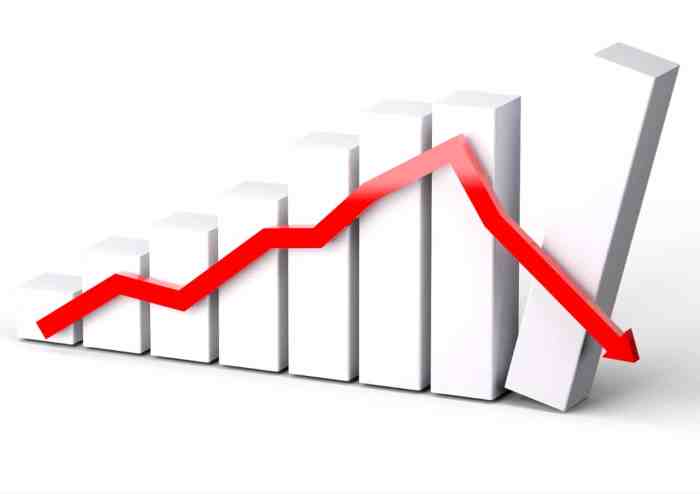
Market downturns are an inevitable part of the investment cycle. While they can be unsettling, a proactive approach can significantly mitigate losses and even create opportunities. Understanding various risk management strategies and maintaining a disciplined financial plan are crucial for navigating these periods successfully.
Diversification Strategies for Risk Mitigation
Diversification is a cornerstone of sound investment strategy, particularly during market volatility. It involves spreading your investments across different asset classes (stocks, bonds, real estate, etc.), sectors, and geographies. This reduces the impact of any single investment’s underperformance on your overall portfolio. For example, if the technology sector experiences a downturn, a diversified portfolio with holdings in other sectors like healthcare or consumer staples will likely see less overall impact.
A well-diversified portfolio aims to reduce the overall risk by not putting all your “eggs in one basket.” This strategy doesn’t eliminate risk entirely, but it helps to cushion the blow during market corrections.
Dollar-Cost Averaging: A Strategy for Market Volatility
Dollar-cost averaging (DCA) is an investment strategy where you invest a fixed amount of money at regular intervals, regardless of market fluctuations. This means you buy more shares when prices are low and fewer shares when prices are high. The advantage is that you avoid trying to time the market, a notoriously difficult task even for experienced investors.
While DCA doesn’t guarantee profits, it can help reduce the average cost per share over time and potentially lessen the impact of market downturns. A disadvantage is that you may miss out on significant gains if the market rises sharply during your investment period. For example, consistently investing $500 per month in a particular stock, regardless of its price fluctuations, will lead to a lower average cost per share over time compared to lump-sum investing.
The Importance of an Emergency Fund
Maintaining a robust emergency fund is paramount during market downturns. An emergency fund acts as a financial safety net, providing a cushion against unexpected expenses such as job loss, medical emergencies, or home repairs. This allows you to avoid selling investments at potentially unfavorable prices during a market downturn, preserving your long-term investment strategy. Without an emergency fund, you might be forced to liquidate assets at a loss to cover immediate needs, compounding the negative effects of a market decline.
Sample Emergency Fund Plan
Creating a well-defined emergency fund plan involves setting savings goals and establishing a timeframe for achieving them. Here’s a sample plan:
- Short-term goal (3-6 months): Aim to save enough to cover 3-6 months of essential living expenses. This is your immediate safety net for unexpected events.
- Mid-term goal (6-12 months): Increase your savings to cover 6-12 months of essential living expenses. This provides a greater buffer against prolonged unemployment or unexpected major expenses.
- Long-term goal (12+ months): Continue saving to build a larger emergency fund that covers 12 months or more of expenses. This provides substantial financial security against significant unforeseen circumstances.
The specific amount you need will depend on your individual expenses and lifestyle. Regularly review and adjust your emergency fund plan as your circumstances change.
Adjusting Financial Goals During a Downturn
Market downturns can significantly impact long-term financial goals, creating uncertainty and requiring adjustments to maintain a realistic path towards achieving them. Understanding the potential effects and proactively adapting your strategies is crucial for navigating these challenging economic periods. This section explores methods for reassessing and adjusting financial goals in response to market volatility.
Impact of Market Downturns on Long-Term Financial Goals
Market downturns can substantially affect the timeline and feasibility of achieving long-term financial goals like retirement and education funding. For retirement, a declining market reduces the value of investment portfolios, potentially delaying retirement or requiring a reduction in planned retirement income. Similarly, for education funding, a downturn can erode savings intended for tuition fees, necessitating adjustments to college plans or exploring alternative funding options.
The severity of the impact depends on factors such as the investor’s risk tolerance, investment strategy, and the duration of the downturn. For example, a 20% market decline could significantly reduce a portfolio’s value, impacting both retirement savings and college fund projections. This necessitates a thorough review and potential adjustment of the financial plan.
Methods for Adjusting Financial Goals Based on Market Conditions
Adjusting financial goals requires a multi-faceted approach. One key method involves reassessing the investment timeline. If a significant market downturn occurs close to a planned retirement or college enrollment, it might be necessary to extend the timeline to allow for portfolio recovery. Another method involves modifying the spending plan. Reducing discretionary spending and prioritizing essential expenses can free up resources to offset investment losses and maintain progress towards goals.
Finally, reevaluating the risk tolerance and investment strategy is vital. A more conservative approach, potentially shifting to lower-risk investments, might be appropriate during periods of market uncertainty. For example, shifting a portion of investments from stocks to bonds can help reduce volatility.
Comparing and Contrasting Different Approaches to Maintaining Financial Goals
Several approaches exist for maintaining financial goals during economic uncertainty. A conservative approach prioritizes capital preservation, potentially sacrificing some potential growth. This might involve shifting investments to safer assets like government bonds. A moderate approach balances risk and reward, adjusting the investment allocation but maintaining some exposure to growth assets. An aggressive approach might involve taking advantage of market dips to buy undervalued assets, but this requires a higher risk tolerance and market expertise.
The optimal approach depends on individual circumstances, including risk tolerance, time horizon, and financial resources. For instance, a young investor with a long time horizon might adopt a more aggressive approach, while an investor nearing retirement might prefer a more conservative strategy.
Step-by-Step Guide on Reassessing Financial Goals During a Market Downturn
- Review your current financial situation: Assess your investment portfolio value, outstanding debts, and available cash reserves.
- Re-evaluate your risk tolerance: Determine your comfort level with potential investment losses and adjust your investment strategy accordingly.
- Adjust your spending plan: Identify areas where you can reduce discretionary spending to free up resources.
- Reassess your investment timeline: Consider extending the timeline for achieving your goals if necessary.
- Explore alternative funding options: If your savings are insufficient, consider alternative funding sources for education or retirement.
- Seek professional advice: Consult a financial advisor to discuss your options and develop a personalized plan.
Seeking Professional Financial Advice
Navigating a market downturn can be stressful, even for seasoned investors. The complexities of portfolio adjustments, risk mitigation, and long-term financial planning are significantly amplified during periods of economic uncertainty. Seeking professional financial advice during these times can provide invaluable support and guidance, helping you make informed decisions and protect your financial future.A financial advisor can offer a personalized perspective, considering your unique circumstances, risk tolerance, and financial goals.
They can provide a much-needed objective viewpoint, helping you avoid emotional reactions that might lead to impulsive and potentially detrimental investment choices. Their expertise can help you to navigate the complexities of the market and develop a robust strategy to weather the storm.
Types of Financial Advisors and Their Expertise
Financial advisors come in various forms, each with a specific area of expertise. Understanding these differences is crucial in selecting the right advisor for your needs. Certified Financial Planners (CFPs) typically offer holistic financial planning, encompassing investment management, retirement planning, tax planning, and estate planning. Investment advisors specialize in managing investment portfolios, often focusing on specific asset classes or investment strategies.
Registered Investment Advisors (RIAs) are fiduciaries, legally obligated to act in their clients’ best interests. Financial planners might specialize in areas like retirement planning or tax optimization, providing targeted support for specific financial objectives.
Questions to Ask a Potential Financial Advisor
Before engaging a financial advisor, it’s essential to ask clarifying questions to ensure a good fit. The advisor’s fees and fee structure should be transparently explained, including any commissions or performance-based incentives. Understanding their investment philosophy and approach to risk management is critical. Their experience in managing portfolios during previous market downturns should be reviewed, and their process for communicating with clients, particularly during periods of market volatility, needs to be clarified.
Finally, prospective clients should inquire about the advisor’s professional certifications and qualifications.
Factors to Consider When Choosing a Financial Advisor
Selecting the right financial advisor requires careful consideration of several key factors.
- Experience and Qualifications: Look for advisors with proven experience, relevant certifications (such as CFP or CFA), and a strong track record. Consider their experience navigating previous market downturns.
- Fees and Compensation: Understand how the advisor is compensated – whether through fees, commissions, or a combination of both. Compare fee structures to ensure transparency and alignment with your budget.
- Investment Philosophy and Approach: Align your investment philosophy with the advisor’s approach. Consider their risk tolerance and investment strategies, ensuring they align with your own.
- Client Communication and Accessibility: Choose an advisor who communicates clearly, responds promptly to your inquiries, and maintains regular contact, especially during market volatility.
- References and Reviews: Check online reviews and request references from previous clients to gain insights into their experiences and the advisor’s professionalism.
- Fiduciary Duty: Prioritize advisors who are fiduciaries, legally obligated to act in your best interest. This provides an added layer of protection and ensures their advice is unbiased.
Financial Advice, Auditing, Goals, and Planning
Navigating market downturns requires a robust financial strategy built on a strong foundation of advice, auditing, goal setting, and meticulous planning. These four elements are inextricably linked, each informing and supporting the others to create a resilient financial framework. A well-structured approach allows for proactive adjustments and minimizes the impact of economic uncertainty.Financial advice, auditing, goals, and planning work in concert to ensure financial well-being.
Financial advice provides guidance on investment strategies, risk management, and overall financial health. Financial auditing offers a comprehensive review of your financial health, identifying areas of strength and weakness. Financial goals provide direction and motivation, while financial planning translates goals into actionable steps. Together, they form a holistic approach to managing finances, especially crucial during periods of market volatility.
The Interrelationship of Financial Advice, Auditing, Goals, and Planning
Financial advice relies heavily on the insights gained from a financial audit. An audit provides a clear picture of your current financial standing – assets, liabilities, income, expenses – which informs the advice provided. This advice, in turn, shapes your financial planning process, ensuring that your plans are realistic and achievable. The ultimate goal is to align your financial plans with your established financial goals.
For example, a financial audit might reveal excessive debt, prompting advice to prioritize debt reduction. This advice would then be integrated into a financial plan, potentially including adjustments to spending habits and the development of a debt repayment strategy. The overall goal might be to improve credit scores and reduce financial stress.
How a Comprehensive Financial Plan Helps Navigate Market Downturns
A well-defined financial plan acts as a roadmap during economic uncertainty. It provides a framework for making informed decisions based on a clear understanding of your financial situation, risk tolerance, and long-term goals. For instance, a plan might include diversification strategies to mitigate losses during a market downturn. If the plan incorporates emergency funds, it allows for weathering financial storms without resorting to drastic measures like selling assets at a loss.
Regular reviews and adjustments based on market conditions are key to the plan’s effectiveness. Consider an investor with a diversified portfolio including stocks, bonds, and real estate. During a market downturn, the plan might dictate holding onto long-term investments while strategically adjusting allocations based on performance and risk tolerance.
How Financial Auditing Informs Financial Planning and Advice
Financial auditing acts as a diagnostic tool, revealing potential problems and opportunities. For example, an audit might highlight inefficient spending habits, prompting advice to create a budget and track expenses more meticulously. This information directly feeds into the financial planning process, leading to adjustments in spending and saving goals. Similarly, an audit might identify unrealized capital gains, informing investment advice regarding tax optimization strategies.
This could involve adjusting investment allocations or implementing tax-loss harvesting techniques. A detailed audit could also reveal inconsistencies in income reporting, allowing for corrections and improved financial planning accuracy.
Best Practices for Setting and Achieving Realistic Financial Goals During Economic Uncertainty
Setting realistic financial goals requires careful consideration of your current financial situation and potential future scenarios. It’s crucial to prioritize essential expenses and build an emergency fund. Goals should be specific, measurable, achievable, relevant, and time-bound (SMART). Regularly reviewing and adjusting your goals based on market conditions and personal circumstances is crucial. For instance, during a downturn, you might temporarily lower your investment contribution rate to maintain sufficient liquidity, while maintaining a long-term perspective on your investment goals.
Prioritizing debt reduction and exploring options like refinancing can significantly improve financial resilience during challenging economic times. A goal might be to save enough for a down payment on a house within five years. During a downturn, that timeframe might need to be extended, but the goal remains the same.
Emotional Management During Market Volatility
Market downturns can trigger a wide range of negative emotions in investors, from anxiety and fear to anger and regret. The unpredictable nature of the market, coupled with the potential for significant financial losses, can significantly impact mental well-being and lead to impulsive decision-making. Understanding these psychological responses is crucial for navigating volatile periods successfully.The emotional rollercoaster of market fluctuations can significantly impact investment decisions.
Fear can lead to panic selling at the bottom of a market, locking in losses and missing out on potential recovery. Conversely, excessive optimism or greed can lead to over-investment at market peaks, resulting in substantial losses when the market corrects. These emotional responses often override rational analysis, hindering sound investment strategies.
Strategies for Managing Emotional Responses to Market Fluctuations
Maintaining emotional equilibrium during market volatility requires a proactive approach. This involves recognizing your emotional triggers, developing coping mechanisms, and implementing strategies to minimize the influence of emotions on your investment decisions.
The Importance of Maintaining a Long-Term Perspective During Market Downturns
A long-term investment strategy is essential to weathering market downturns. Short-term market fluctuations are often temporary and do not necessarily reflect the long-term prospects of your investments. Focusing on your long-term financial goals, rather than reacting to daily market noise, helps to reduce emotional stress and maintain a rational approach to investing. History demonstrates that markets tend to recover over time, and those who remain invested often benefit from this eventual recovery.
For example, the dot-com bubble burst in 2000 and the 2008 financial crisis both saw significant market downturns, but both markets eventually recovered and exceeded their previous highs.
Developing a Resilient Mindset Towards Investing
Developing a resilient mindset is crucial for long-term investment success. This involves cultivating certain characteristics and habits that help you manage emotional responses and maintain a rational approach during market volatility.
- Acknowledge and Accept Emotions: Recognize that experiencing fear, anxiety, or frustration during market downturns is normal. Don’t try to suppress these feelings; instead, acknowledge them and allow yourself to process them in a healthy way.
- Diversify Your Investments: A well-diversified portfolio can help mitigate risk and reduce the emotional impact of market fluctuations. Don’t put all your eggs in one basket.
- Develop a Financial Plan: Having a clear financial plan with well-defined goals and a timeline can provide a sense of security and reduce the urge to make impulsive decisions based on emotions.
- Stick to Your Plan: Once you have a financial plan, stick to it. Avoid making drastic changes to your investment strategy based on short-term market movements.
- Seek Professional Advice: A financial advisor can provide objective guidance and help you stay on track during periods of market volatility.
- Practice Mindfulness and Self-Care: Engage in activities that promote relaxation and stress reduction, such as meditation, yoga, or spending time in nature. Prioritizing self-care can improve your overall emotional well-being and help you cope with market stress.
- Learn from Past Experiences: Review past market downturns and analyze your emotional responses and investment decisions. This self-reflection can help you identify areas for improvement and develop more effective coping strategies for future challenges.
Long-Term Investment Strategies
Market downturns are a normal part of the investment cycle. However, a long-term perspective can significantly mitigate the impact of these fluctuations and help you achieve your financial goals. Focusing on the long term allows you to ride out market volatility and benefit from the historical tendency of markets to recover and grow over time.Maintaining a long-term investment horizon is crucial because it reduces the emotional impact of short-term market fluctuations.
Instead of reacting to daily price changes, you can focus on your overall financial plan and adjust your strategy as needed, rather than making impulsive decisions driven by fear or greed. This approach allows your investments to grow steadily over time, compounding returns and maximizing long-term gains.
The Importance of a Long-Term Investment Horizon
A long-term investment horizon, typically defined as 10 years or more, allows investors to weather market cycles. Short-term market fluctuations become less significant when viewed within the context of a longer time frame. For instance, the dot-com bubble burst in the early 2000s and the 2008 financial crisis caused significant short-term losses, but investors who remained invested for the long term eventually recovered and saw substantial gains as the market rebounded.
This resilience is a key advantage of long-term investing.
Examples of Long-Term Investment Strategies
Several strategies are designed to withstand market downturns over the long term. Dollar-cost averaging, for example, involves investing a fixed amount of money at regular intervals, regardless of market conditions. This strategy mitigates the risk of investing a lump sum at a market peak. Index fund investing provides broad market exposure, offering diversification and historically strong returns over the long term.
Value investing focuses on undervalued companies, aiming to capitalize on their potential for growth. These approaches provide a more robust investment plan capable of navigating market volatility.
Asset Allocation Strategies for Long-Term Investors
Asset allocation is the process of dividing your investments across different asset classes, such as stocks, bonds, and real estate, to balance risk and return. The optimal asset allocation strategy varies depending on individual risk tolerance, time horizon, and financial goals. A conservative strategy might allocate a larger portion to bonds, minimizing risk but potentially sacrificing some growth potential.
A more aggressive strategy might favor stocks, offering higher growth potential but also increased risk. Diversification across various asset classes is essential to mitigate risk. A balanced approach typically combines stocks and bonds in varying proportions, depending on individual circumstances.
Sample Diversified Long-Term Investment Portfolio
The following table presents a sample portfolio illustrating a diversified long-term investment approach. This is for illustrative purposes only and should not be considered financial advice. Individual investment strategies should be tailored to personal circumstances and risk tolerance.
| Asset Class | Allocation (%) | Rationale | Example Investments |
|---|---|---|---|
| Large-Cap Stocks | 30 | Provides exposure to established, large companies with relatively stable performance. | S&P 500 Index Fund, individual large-cap stocks |
| Small-Cap Stocks | 15 | Offers higher growth potential but also increased volatility. | Small-cap index funds, individual small-cap stocks |
| International Stocks | 15 | Diversifies exposure beyond the domestic market. | International index funds, individual international stocks |
| Bonds | 30 | Provides stability and income, reducing overall portfolio volatility. | Government bonds, corporate bonds, bond ETFs |
| Real Estate | 10 | Offers diversification and potential for long-term appreciation. | REITs, direct real estate investment |
Successfully navigating a market downturn requires a proactive and informed approach. By understanding the dynamics of market fluctuations, diversifying your investments, maintaining an emergency fund, and seeking professional guidance when needed, you can significantly reduce your risk and protect your financial future. Remember, a long-term perspective and a resilient mindset are essential components of weathering economic storms and emerging stronger on the other side.
This guide provides a foundation for building that resilience and confidence in your financial journey.
Question & Answer Hub
What is dollar-cost averaging, and how does it help during a market downturn?
Dollar-cost averaging involves investing a fixed amount of money at regular intervals, regardless of market fluctuations. This strategy reduces the risk of investing a large sum at a market peak and helps to average out the cost of your investments over time.
Should I sell all my investments during a market downturn?
Selling all your investments during a downturn is generally not recommended unless you have an immediate need for the funds. Market downturns are temporary, and selling at a low point locks in losses. A long-term investment strategy typically involves riding out market volatility.
How much should I have in an emergency fund?
A common recommendation is to have 3-6 months’ worth of living expenses in an easily accessible emergency fund. This provides a safety net during unexpected events, including job loss or medical emergencies, and reduces the need to sell investments during a market downturn.
What are the signs of a market downturn?
Several indicators suggest a potential market downturn, including decreased consumer confidence, rising interest rates, high inflation, geopolitical instability, and a decline in economic growth. However, accurately predicting market downturns is difficult.