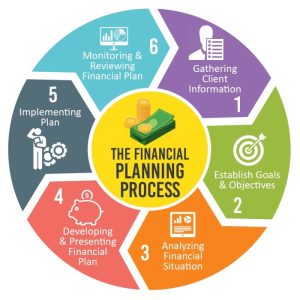
Achieving financial security is a journey, not a sprint. Many feel overwhelmed by the prospect of managing their finances effectively, often leading to procrastination and missed opportunities. This guide provides a practical, step-by-step approach to setting and achieving realistic financial goals, empowering you to take control of your financial future and build lasting wealth.
We’ll explore how to assess your current financial standing, define both short-term and long-term objectives using the SMART framework, and craft a personalized financial plan that aligns with your individual aspirations. We’ll also cover strategies for debt management, saving, investing, and the importance of regular review and adjustments to your plan as life circumstances evolve.
Understanding Your Current Financial Situation

Before setting ambitious financial goals, it’s crucial to have a clear picture of your current financial standing. This involves understanding your assets, liabilities, income, and expenses. A thorough assessment provides a realistic foundation for planning your financial future and setting achievable targets. This process allows you to identify areas for improvement and make informed decisions about your money.
Personal Balance Sheet
Creating a personal balance sheet is the first step in understanding your financial health. A balance sheet is a snapshot of your financial position at a specific point in time, showing what you own (assets) and what you owe (liabilities). The difference between your assets and liabilities represents your net worth.
| Asset Type | Asset Description | Value | Liability Type | Liability Description | Value |
|---|---|---|---|---|---|
| Liquid Assets | Checking Account | $2,000 | Short-Term Debt | Credit Card Debt | $1,500 |
| Liquid Assets | Savings Account | $5,000 | Short-Term Debt | Personal Loan | $3,000 |
| Investments | Stocks | $10,000 | Long-Term Debt | Mortgage | $150,000 |
| Real Estate | House | $250,000 | Long-Term Debt | Student Loans | $10,000 |
| Personal Property | Car | $15,000 |
Income and Expense Tracking
Tracking your income and expenses for at least three months provides valuable insights into your spending habits and cash flow. This detailed record allows you to identify areas where you can reduce spending and allocate funds more effectively towards your financial goals. Accurate tracking is essential for creating a realistic budget.
Effective budgeting methods and tools include:
- Spreadsheet Software: Programs like Microsoft Excel or Google Sheets allow for detailed tracking and analysis of income and expenses. You can categorize your spending and easily generate reports to monitor your progress.
- Budgeting Apps: Numerous mobile apps (Mint, YNAB, Personal Capital) automate the process of tracking transactions, categorizing expenses, and providing visual representations of your spending habits.
- Envelope System: A cash-based system where you allocate a specific amount of cash to different spending categories (e.g., groceries, entertainment). This can help control impulsive spending.
- 50/30/20 Rule: A simple budgeting guideline suggesting allocating 50% of your after-tax income to needs, 30% to wants, and 20% to savings and debt repayment.
Net Worth Calculation and Significance
Your net worth is calculated by subtracting your total liabilities from your total assets:
Net Worth = Total Assets – Total Liabilities
For example, using the table above: Total Assets = $292,000; Total Liabilities = $164,500; Net Worth = $292,000 – $164,500 = $127,500.Knowing your net worth is crucial for setting realistic financial goals. A positive net worth indicates financial stability, while a negative net worth suggests a need to address debt management and increase savings. Monitoring your net worth over time helps track your progress towards financial goals and provides a measure of your overall financial health.
It informs decisions related to investments, debt repayment, and saving strategies.
Defining Short-Term and Long-Term Financial Goals
Setting financial goals is crucial for achieving financial well-being. It provides a roadmap to guide your financial decisions and helps you stay focused on your aspirations. By clearly defining both short-term and long-term objectives, you can create a comprehensive financial plan that addresses immediate needs and long-term ambitions. This structured approach allows for better resource allocation and a more fulfilling financial journey.
Short-term goals are typically achieved within one year, focusing on immediate needs and smaller milestones. Long-term goals, conversely, are typically longer than a year, often spanning several years or even decades, and usually involve significant financial commitments and planning. The effective interplay between these two types of goals creates a dynamic and sustainable financial strategy.
SMART Short-Term Financial Goals
SMART goals are Specific, Measurable, Achievable, Relevant, and Time-bound. This framework ensures your goals are well-defined and trackable, increasing your likelihood of success. Applying this framework to short-term goals allows for quick wins, building momentum and confidence for tackling larger, long-term objectives.
- Goal: Build a $1,000 emergency fund. This is Specific.
- Measurement: Track savings progress weekly using a budgeting app. This is Measurable.
- Achievability: Save $250 per month for four months. This is Achievable (assuming a stable income).
- Relevance: Provides financial security in case of unexpected expenses (job loss, medical bills). This is Relevant.
- Time-bound: Achieve this within four months. This is Time-bound.
- Goal: Pay off $500 credit card debt. This is Specific.
- Measurement: Monitor debt balance monthly online. This is Measurable.
- Achievability: Make extra payments of $100 per month. This is Achievable (depending on budget).
- Relevance: Reduces interest payments and improves credit score. This is Relevant.
- Time-bound: Pay off debt within five months. This is Time-bound.
SMART Long-Term Financial Goals
Long-term goals require a longer-term perspective and often involve more significant financial planning. They build upon the foundation established by successfully achieving short-term goals. Careful consideration of factors such as inflation, investment returns, and potential life changes is crucial for long-term success.
- Goal: Save for a $200,000 down payment on a house. This is Specific.
- Measurement: Track investment portfolio value annually and adjust savings as needed. This is Measurable.
- Achievability: Invest $500 monthly for 10 years with an average annual return of 7%. This is Achievable (considering potential investment growth).
- Relevance: Achieving homeownership, a significant life milestone. This is Relevant.
- Time-bound: Save for 10 years. This is Time-bound.
- Goal: Have $1 million in retirement savings. This is Specific.
- Measurement: Review retirement account balance quarterly and adjust contributions as needed. This is Measurable.
- Achievability: Contribute consistently to a 401(k) and IRA, maximizing employer matching. This is Achievable (depending on income and investment strategy).
- Relevance: Securing financial independence in retirement. This is Relevant.
- Time-bound: Achieve this by age 65. This is Time-bound.
Short-Term vs. Long-Term Financial Goals
| Feature | Short-Term Goals | Long-Term Goals |
|---|---|---|
| Time Horizon | Less than one year | More than one year |
| Financial Impact | Smaller, immediate impact | Larger, significant impact |
| Examples | Emergency fund, debt repayment, small purchase | Retirement savings, homeownership, education funding |
| Planning Required | Less extensive planning | More extensive planning |
| Risk Tolerance | Lower risk tolerance | Potentially higher risk tolerance (depending on time horizon) |
Aligning Goals with Personal Values and Life Aspirations
Your financial goals should reflect your personal values and life aspirations. For example, if you value travel, a long-term goal might be to save for a significant trip. If family is important, you might prioritize saving for your children’s education. By aligning your financial goals with what truly matters to you, you’ll find the process more motivating and rewarding.
This intrinsic motivation is key to maintaining long-term financial discipline and success.
By following the strategies Artikeld in this guide, you can confidently navigate the complexities of personal finance and build a secure financial future. Remember, consistency and proactive planning are key to success. Regularly reviewing and adapting your financial plan as your life changes will ensure you remain on track to achieve your financial goals. Don’t hesitate to seek professional guidance when needed; a financial advisor can provide valuable support and expertise.
Expert Answers
What if my income fluctuates?
Use a budgeting method that accommodates variable income, such as zero-based budgeting or a 50/30/20 budget, adjusting your spending plan each month based on your actual income.
How often should I review my investment portfolio?
At least annually, and more frequently if there are significant market changes or life events impacting your financial situation.
What’s the difference between a financial advisor and a financial planner?
While the terms are often used interchangeably, financial planners typically focus on long-term financial planning, while financial advisors offer broader services, including investment management and advice on various financial products.
Where can I find reliable financial resources?
Reputable sources include government websites (e.g., the Consumer Financial Protection Bureau), non-profit organizations focused on financial literacy, and accredited financial professionals.